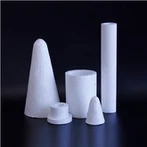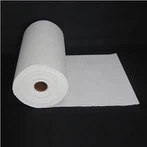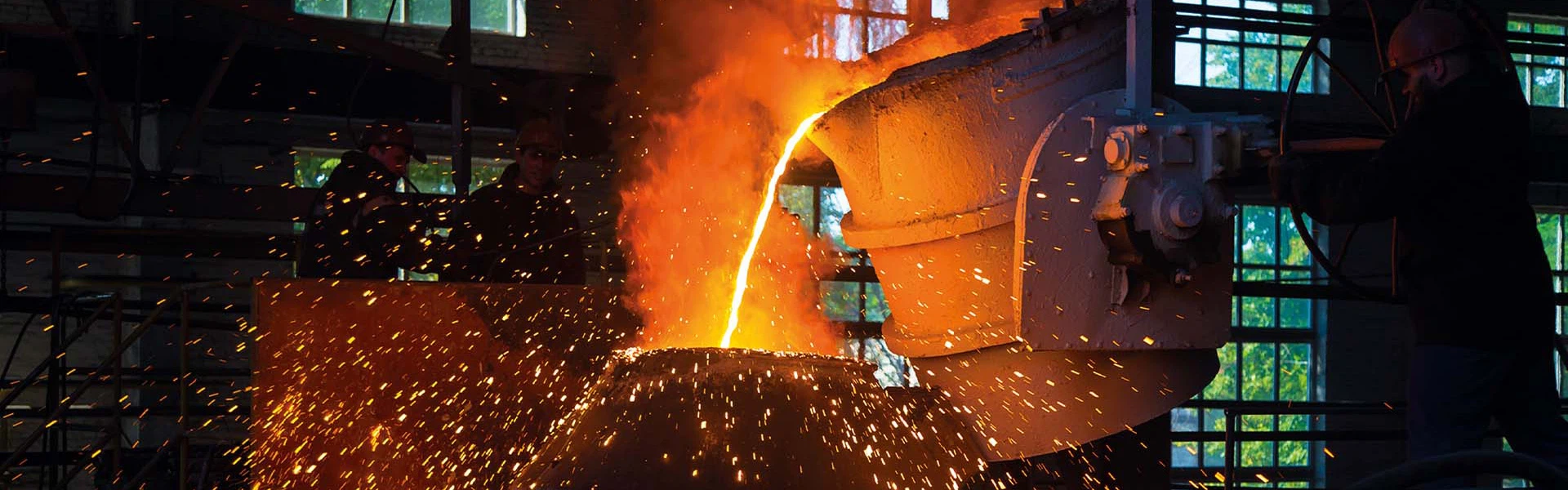


Among many refractory furnace linings, the utilization rate of ceramic fiber modules is getting higher and higher due to its high cost performance and energy saving and consumption reduction characteristics. So what are the specific reasons for the increasing popularity of ceramic fiber modules in the refractory market?
01. From the heat insulation effect
From the perspective of thermal insulation effect, the thermal insulation performance of ceramic fiber modules is better than that of refractory bricks and castables. At 1000 degree , its thermal conductivity is only 15 percent of that of refractory clay bricks, and about 38 percent of that of lightweight clay bricks, second only to nano-aerogel felt and nano-insulation board;
02. From the point of view of refractoriness
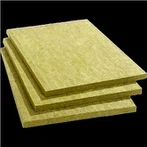
From the point of view of refractoriness, the long-term service temperature of ceramic fiber modules is between 1000-1400 degree due to different raw materials, which is much higher than the maximum service temperature (500~700 degree ) of fibrous thermal insulation materials such as rock wool and glass wool, slightly lower than mullite refractory bricks and castables, but significantly better than nano-aerogel felt and nano-insulation board;
03.From an economic point of view, under the same thermal insulation effect, the cost per square meter of the ceramic fiber module is slightly lower than that of the heavy refractory lining, and far lower than that of the nano thermal insulation material.
To sum up, in the conventional furnace insulation scheme (no friction, no strong acid and alkaline atmosphere and wind speed less than 10m/s), the thermal insulation performance of ceramic fiber modules is still quite higher compared with heavy thermal insulation materials and nano thermal insulation materials. SUNTHERM produces high-quality ceramic fiber modules for a long time, and can produce the required shape, size and working temperature of ceramic fiber modules according to actual needs.